Sustainability has become an important part of the way we think about homes today. It is not only about using eco-friendly materials or saving energy, but also about creating a space that is comfortable, practical, and mindful of its impact on the environment. This article looks at some simple and effective sustainable design ideas that homeowners can consider while planning or building their homes. It also highlights how small, thoughtful choices can make a meaningful difference in creating a home that is better for the environment and for the people who live in it.
Building a home for the long term is about much more than creating a beautiful and well-designed space. Along with choosing the right floor plan, size, and style, today’s homeowners are also paying greater attention to how their homes can respond to changing needs while having less impact on the environment.
Sustainable homes are gaining popularity because they offer benefits that go beyond environmental responsibility. Thoughtful planning can help reduce energy consumption, lower maintenance and utility costs, and create a healthier and more comfortable living environment.
In this guide, we explore practical ways to plan and build a premium sustainable home, from choosing environmentally responsible materials and energy-efficient solutions to adopting modern technologies and understanding relevant green building certifications.
1. Design Your Home with Energy Efficiency in Mind
The first step towards creating a sustainable home is to think about energy efficiency right from the design stage. A well-planned home can make better use of natural light, fresh air, and the surrounding environment, reducing the need for excessive heating, cooling, and artificial lighting.
Factors such as the placement and orientation of the house, the size and position of windows, proper shading, and good insulation can help maintain comfortable indoor temperatures throughout the year. These simple design decisions can reduce energy consumption while making the home more comfortable and environmentally responsible.
Key areas to focus on when designing a sustainable home include:
- Thermal Efficiency: Keep indoor temperatures comfortable with proper insulation.
- Energy Efficiency: Use energy-saving electrical and mechanical systems.
- Easy Maintenance: Choose durable and low-maintenance solutions.
- Waste Reduction: Minimise construction waste and reuse materials where possible.
- Water Conservation: Adopt water-saving fixtures and efficient systems.
- Eco-Friendly Materials: Choose materials with minimal environmental impact.
- Indoor Comfort: Prioritise natural light, ventilation, and healthy indoor spaces.
There are several reasons why homeowners choose to build a sustainable home. The level of energy-efficient features you include may depend on factors such as:
- Your environmental goals and commitment to sustainable living.
- Local building regulations and energy-efficiency standards.
- The aim of lowering energy and utility costs.
- Available government incentives, rebates, or support for sustainable construction.
These considerations can also determine which professionals you need to involve in your home project and the expertise they should bring. Depending on your sustainability goals, you may choose designers or builders with recognised credentials such as LEED, Passive House, or ENERGY STAR.
In some cases, an energy consultant or modeller may also be helpful in assessing the home’s insulation and thermal performance, as well as estimating the energy requirements of heating, cooling, lighting, and other systems.
Putting the right team together is an important part of building a sustainable home. Experienced architects, designers, builders, and consultants can help you choose practical solutions, stay aligned with your sustainability goals, and ensure that the project follows the required local standards.
Although hiring additional specialists may increase the initial cost, their expertise can be valuable during the planning stage. Careful decisions made early can prevent costly changes, mistakes, and delays during construction, making the overall process smoother and more efficient.
2. Designing for Better Energy Performance
A well-designed building envelope is essential for creating a comfortable, energy-efficient, and sustainable home.
When planning a sustainable home, the building envelope needs careful attention as it affects energy use, durability, and indoor comfort. Some important areas to consider include:
- Thermal Insulation: Good-quality insulation and proper installation help reduce heat transfer and keep indoor temperatures comfortable.
- Air Tightness: Sealing gaps around windows, doors, and other openings helps prevent energy loss and limits unwanted moisture movement.
- Water & Moisture Protection: Proper waterproofing, drainage, and detailing help keep water out, prevent dampness, and protect the home from long-term damage.
- Thermal Bridging: Heat can escape through structural elements such as wall studs, concrete slabs, and window frames. Using continuous insulation and thermal breaks can help reduce heat loss and improve the home’s overall energy efficiency.
- Window & Door Efficiency: Well-insulated, properly sealed windows and doors can improve indoor comfort and reduce energy use. Choose options that offer good thermal insulation and help control the amount of heat entering through the glass.
3. Choose Smart, Energy-Saving Technologies
A sustainable luxury home can use modern technology to lower energy consumption without compromising comfort or design. Some effective solutions include:
- Solar Panels: Generate clean electricity, reduce dependence on grid power, and can be seamlessly integrated into modern roof designs.
- Geothermal Heating & Cooling: Geothermal systems use the steady temperature below the ground to keep your home warm in winter and cool in summer. Though the installation cost can be higher, they can deliver significant energy savings over time.
- Heat Pumps: Heat pumps move heat between the indoors and outdoors to provide both heating and cooling. Modern systems are highly efficient and can perform well even in colder weather, helping reduce overall energy consumption.
- Energy-Efficient Windows & Doors: High-performance windows, insulated doors, and low-E glass can help reduce heat gain and loss, keeping your home comfortable while lowering energy use.
- Smart Energy Management: Smart thermostats, lighting, and appliances help control energy consumption. Automated settings and energy monitoring can also help identify areas where energy can be saved.
- Rainwater & Greywater Recycling: Collecting rainwater and reusing water from showers and sinks can reduce fresh water usage. Recycled water can be used for gardening, flushing toilets, and other suitable household needs.
4. Build with Sustainable Materials
A truly sustainable home starts with the right choice of building materials. Using natural and responsibly sourced materials can help reduce the environmental impact of construction while adding warmth and character to the home.
Materials such as stone and hardwood are not only visually appealing but can also offer excellent durability. Their long-lasting nature means fewer replacements over the years, helping reduce both waste and the home’s overall environmental impact throughout its life.
Some modern building materials can offer the right balance of sustainability, durability, and premium design. One such option is:
- Cross-Laminated Timber (CLT): Made from layers of sustainably sourced wood, CLT is strong, lightweight, and naturally insulating, while offering a lower environmental impact than traditional concrete and steel.
- Recycled Steel: Recycled steel offers strength and durability while reducing the need for new raw materials. Since steel can be recycled repeatedly without losing its properties, it can be a practical choice for strong and sustainable home structures.
- Bamboo Flooring: Bamboo grows quickly, making it a renewable flooring option. It is durable, eco-friendly, and brings a clean, modern look to interiors.
- Sustainable Insulation: Materials such as cellulose, wool, and hemp can be good alternatives to conventional insulation. They are generally safer, renewable, and effective at helping maintain comfortable indoor temperatures.
- Low-VOC Paints & Finishes: Low-VOC paints and finishes help improve indoor air quality by reducing harmful emissions. They offer a healthier choice without compromising on appearance or finish.
5. Design Your Home with Nature in Mind
Using natural elements in home design can create a calm and inviting atmosphere while supporting a more sustainable way of living. Here are a few ideas to consider:
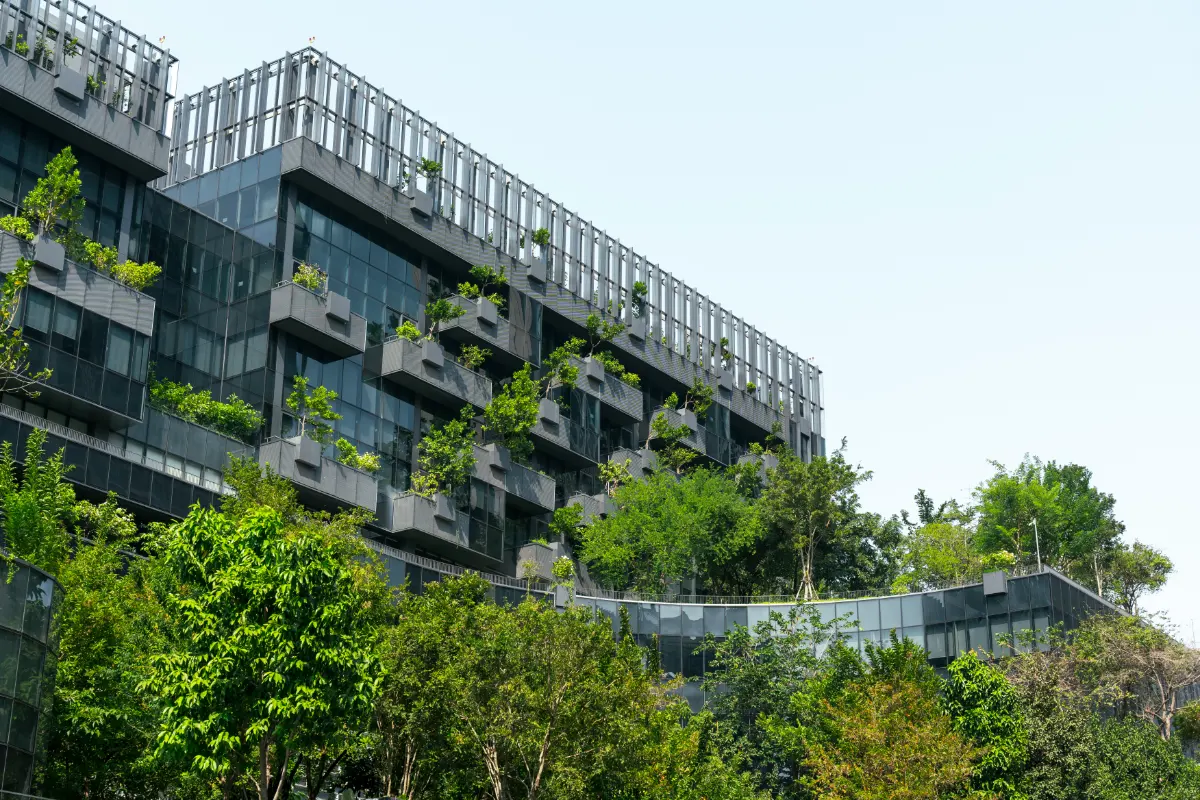
- Green Roofs: A green roof uses plants and vegetation to provide natural insulation and help manage rainwater. It can also support cleaner air and add a distinctive touch to the home. Its suitability depends on the local climate and building design.
- Indoor-Outdoor Connection: Large windows, sliding glass doors, and natural materials such as wood and stone can create a smooth connection between indoor and outdoor spaces. This allows more natural light into the home and creates a closer connection with nature.
- Sustainable Landscaping: Choose native plants that need less water and maintenance. Permeable paving can help manage rainwater, while locally sourced stone can add a refined and natural look to outdoor areas.
6. Choose the Right Sustainable Builder
Selecting an experienced builder can make a big difference when creating a sustainable home. Look for professionals who understand green construction methods and have successfully completed similar projects. A few things to consider include:
- Check Their Green Building Experience: Ask whether the builder has worked on projects following standards such as LEED or Passive House. This can indicate their familiarity with energy-efficient materials, construction methods, and sustainable technologies.
- Check Material Sources: Choose a builder who is clear about where materials come from and whether they meet recognised sustainability standards, such as FSC certification for wood.
- Prefer Local Materials: Working with nearby suppliers can reduce transportation-related emissions while also supporting local businesses and resources.
7. Green Building Certifications to Consider
With so many choices in materials, technologies, and design, it can be difficult to know whether your home truly meets strong sustainability standards. Green building certifications can help homeowners evaluate the environmental performance of their homes and make informed decisions.
They also provide useful guidance and trusted resources for exploring sustainable design and construction options.
- LEED (Leadership in Energy and Environmental Design): LEED is a widely recognised green building certification that evaluates homes on areas such as energy use, water efficiency, materials, and overall environmental performance. It can help homeowners measure how sustainably their property has been designed and built.
- Passive House Institute (PHI): Passive House certification focuses on achieving very high levels of energy efficiency through features such as strong insulation, airtight construction, and controlled ventilation. The approach is designed to reduce heating and cooling requirements while maintaining a comfortable indoor environment.
- Living Building Challenge (LBC): LBC takes a broader approach to sustainability, covering areas such as energy, water, materials, health, location, equity, and design. It aims to encourage buildings that have a positive impact on both people and the environment.
- ENERGY STAR: ENERGY STAR also applies to homes and not just appliances. An ENERGY STAR-certified home is designed to use less energy than a standard new home, making it a useful choice for homeowners focused on efficiency.
- GREENGUARD & Cradle to Cradle: These certifications help assess the environmental and health performance of products used in homes. GREENGUARD focuses largely on indoor air quality, while Cradle to Cradle looks at factors such as material health, reuse, and recyclability.
Conclusion
Choosing to build a sustainable home is not only about reducing its impact on the environment. It can also bring everyday benefits, such as better use of natural light, lower energy and water consumption, and a more comfortable living environment. Natural and responsibly chosen materials can also add warmth, character, and lasting beauty to your home.
With thoughtful planning and the right professionals, sustainability can be made a natural part of your home’s design without compromising on comfort or style.
Tags: Sustainable Home, Sustainable Home Design, Eco-Friendly Home, Green Building, Energy Efficient Home, Sustainable Architecture, Green Home Ideas, Eco-Friendly Materials, Energy Efficiency, Sustainable Living